
How to socialize your puppy: a complete guide
Socialization is the most important process in a dog's life. A well-socialized puppy becomes a confident, balanced and easy-to-handle adult. Here we teach you how to do it right from day one.

What is socialization and why is it so important?
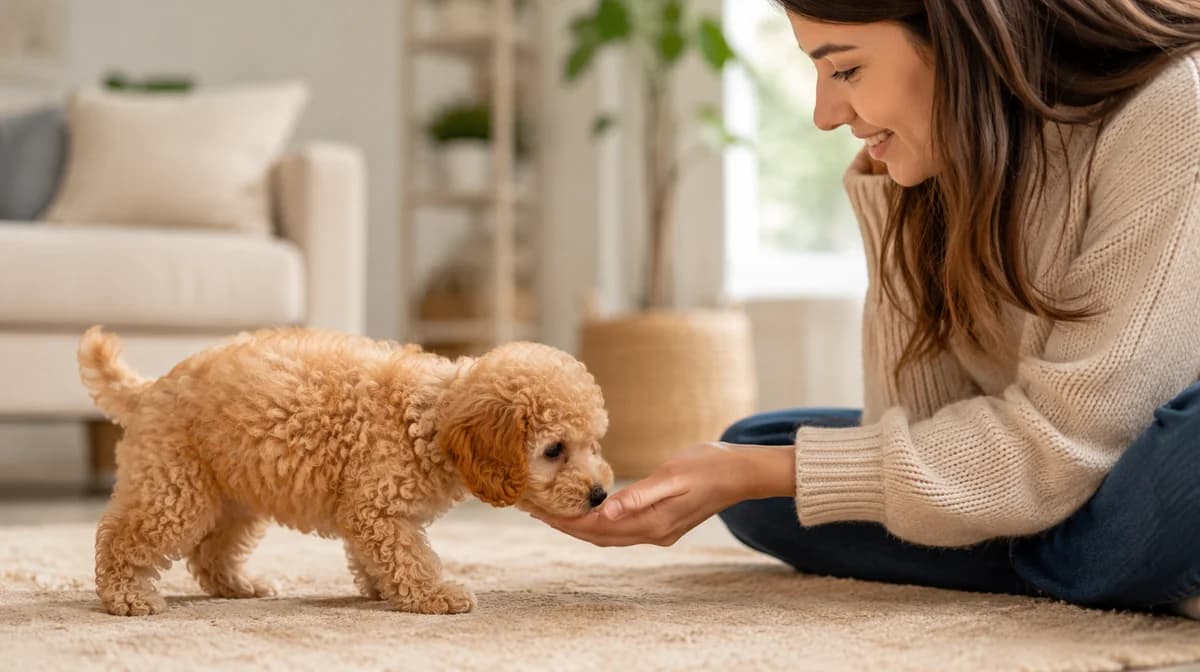
Socialization is the process by which a puppy learns to relate positively to its environment: people, animals, objects, sounds and situations. A well-socialized dog doesn't develop irrational fears, isn't aggressive out of insecurity and adapts better to changes in its surroundings.
The lack of socialization is the main cause of behavior problems in adult dogs: fear, defensive aggression, anxiety and reactivity. Investing time now saves many problems later.
The golden window: 3 to 12 weeks
A puppy's brain has a sensitive socialization window that runs roughly from 3 to 12-16 weeks of age. During this period, the puppy absorbs experiences with an ease and depth that will never be repeated in its life.
This doesn't mean you can't keep socializing after 16 weeks: you can and should. But learning during that window is deeper, faster and has a greater impact on the animal's definitive character.

What should your puppy be exposed to?
The goal is for your puppy to positively encounter the widest possible variety of stimuli before 16 weeks. Here is a reference list:
👥 People
- Men, women, children, babies and older adults
- People with beards, hats, glasses
- People with umbrellas, canes or wheelchairs
- People in uniforms (doctors, police, delivery people)
- People of different builds and appearances
🐾 Animals
- Other dogs of different sizes and breeds
- Cats (from a distance at first)
- Farm animals if applicable
- Outdoor birds
🔊 Sounds
- Traffic, horns and motorcycles
- Thunder and fireworks (recordings first)
- Vacuum cleaner, blender, hair dryer
- Music, television, conversations
- Children playing
🏠 Surfaces and environments
- Grass, dirt, tile, hardwood, sand
- Stairs and ramps
- Elevators
- Moving vehicles
- Vet and dog groomer

How to do it correctly: key principles
Gradual progress: start with the gentlest
Don't expose the puppy to something that terrifies it from the first moment. Start at a distance and move closer little by little only when it's calm.
Positive association: always with treats and affection
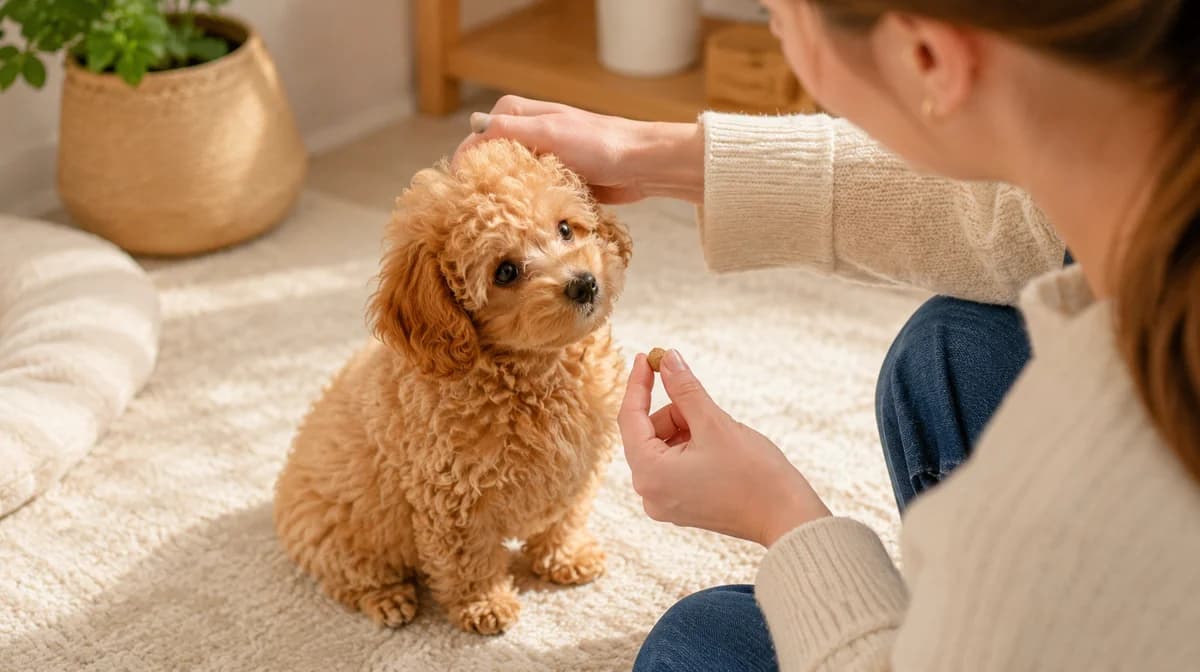
Every new experience should come with something the puppy values: a snack, a caress, or play. That way the brain associates "unfamiliar person = something good happens".
2 to 3 new experiences a day
Don't try to cover everything in one day. Over-stimulation exhausts the puppy and can have the opposite effect. A pace of 2-3 new experiences a day is enough and sustainable.
Watch the body language
If the puppy shows signs of fear (tail between the legs, crouching, trembling, ears far back), don't force the contact. Stop, give it space and step back to the previous level. Forcing can create permanent phobias.
Don't comfort it when it's scared
It's counterintuitive, but comforting a frightened dog (petting it, talking to it in a worried tone) reinforces the fear. Act naturally, as if nothing is happening, and reward the puppy when it calms down on its own.
The most common socialization mistakes
- Not socializing for fear of diseases: although the risk before full vaccination is real, the risk of not socializing is greater. You can socialize in controlled environments (homes of friends with vaccinated dogs, in your arms while walking).
- Waiting until it has all its vaccines: by then the sensitive window has already closed. Find a balance with your veterinarian.
- Only socializing with household members: the puppy must meet people outside its family circle.
- Letting the puppy interact with dogs you don't know: a negative encounter with an aggressive dog can create lifelong reactivity toward other dogs.
- Not continuing socialization into adulthood: although the most critical process is in the first months, socialization should be kept up throughout life.
💡 Expert tip
Puppy classes are an excellent investment. In addition to controlled socialization with other dogs, you'll get guidance from a professional and start basic training at exactly the right moment. Look for a class that uses positive reinforcement exclusively.
Do you have questions about training your puppy?
We help you find the ideal breed for your lifestyle and guide you from day one.
Ask on WhatsApp